
 by
by 


Separating Fire from Flight
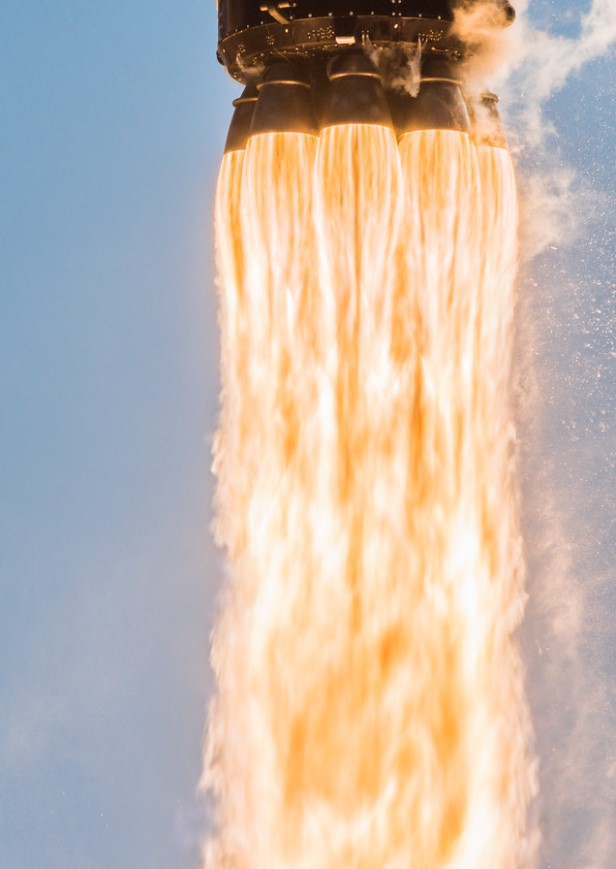
Every propulsion system humans currently use is, at its core, a controlled explosion. Rockets, jet engines, even pistons in a car all work the same way: we rapidly expand matter, create a sharp pressure and density difference, and let nature push us in the opposite direction. It works — but it is loud, violent, hot, inefficient, and dangerous. The reason is simple: combustion operates on the same physical layer of reality that we live in. Fire rearranges molecules, heats atoms, shreds materials, and destroys biology. Anything powerful enough to lift us this way must also threaten us.
But what if propulsion does not need to happen on the matter layer at all?
Rockets work, but their efficiency is terrible. Most of the energy goes into heat, noise, erosion, and discarded mass, just to produce a small but crucial interaction with the deeper structure of space that allows upward motion.
We will investigate which effect contributes the most to current rocket propulsion systems. One is the Physical Layer ( trillions of particles colliding and transferring momentum ). The other is the Speculative Layer ( an accidental pumping of the gravity-relevant subspace medium ).
The truth is simple:
It is both.
Our current rockets are crude hybrid engines. They use an enormous amount of physical shoving to trigger a tiny amount of subspace response. The future of propulsion lies in decoupling these effects — keeping the lift while discarding the destruction.

| Force Component | Mechanism | Result | Future Goal |
|---|---|---|---|
| Physical | Matter collisions and exhaust | Heat, noise, structural damage | Eliminate |
| Subspace | Density gradient manipulation | Silent, efficient lift | Isolate & master |
Seen this way, propulsion is not fundamentally about force. It is about shaping gradients.
The Engineering Question: How Do We Touch Space?
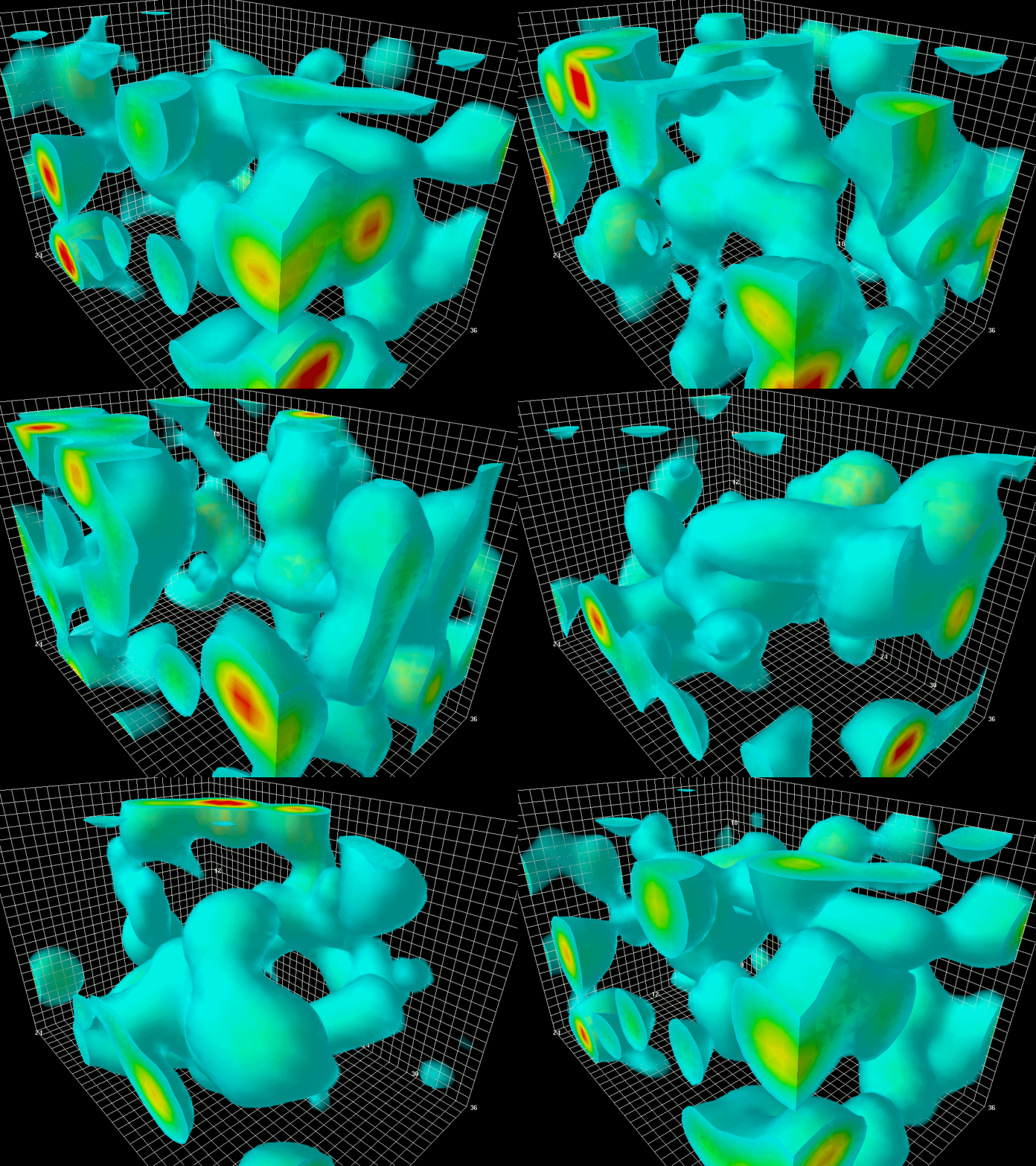
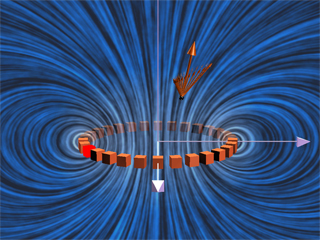
The challenge is not energy — it is coupling. Subspace is fine-grained and normally indifferent to solid matter. It responds only when matter is driven into extreme states. Historically, explosions were the only way we knew how to do that.
Fire works, but it destroys the very structures trying to harness it.
The real breakthrough will be a non-destructive catalyst — a way to influence subspace density directly, without chemical violence.
Candidates for Clean Subspace Engineering
Several speculative paths hint at how this might be achieved:
- High-Frequency Electromagnetic Fields
Large, coherent oscillations may compress or rarefy subspace without heating matter. - Rotating Superconductive Systems
Extremely low-loss, high-speed rotation may entrain the medium itself, creating controlled gradients. - Vacuum Energy Geometry
Instead of expanding matter, field geometry may redistribute the vacuum directly — pulling density forward and pushing it aft.
Each approach aims at the same goal: subspace motion without matter destruction.
Beyond the Sledgehammer
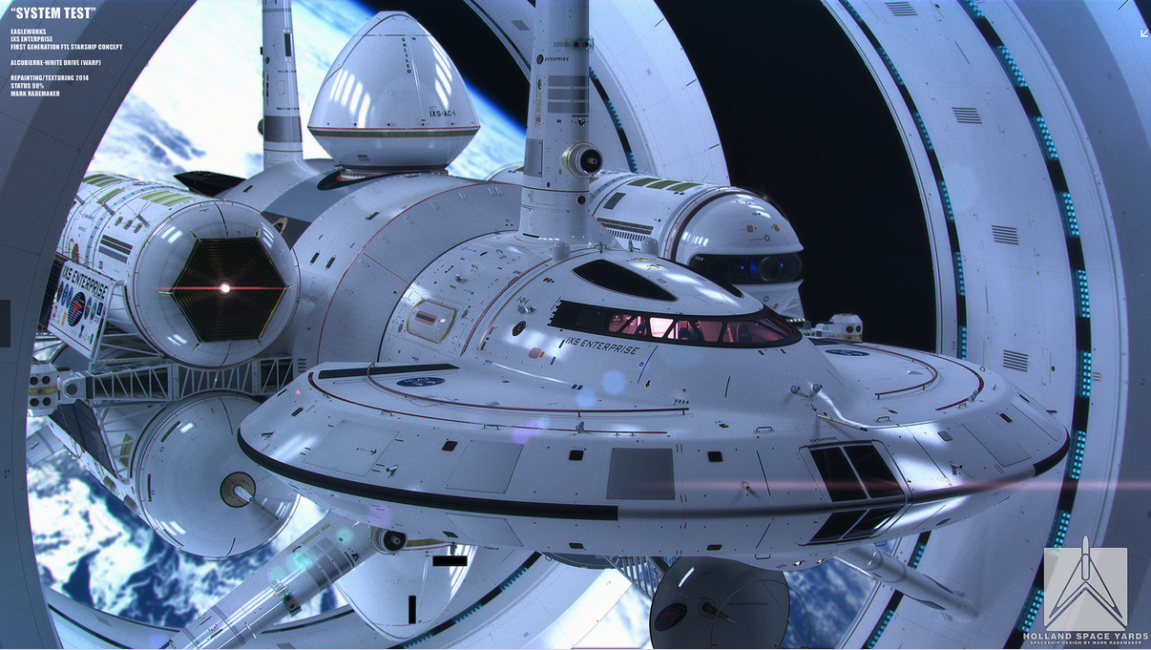

The shift from kinetic rockets to subspace drives will be the largest technological transition in human history. It is the moment we stop throwing mass to move and start navigating the structure of space itself.
Fire was never the destination.
It was training.
Fire was our scaffolding.
Gravity is the terrain.
Subspace is the vehicle.
A Clue From Electric and Magnetic Propulsion
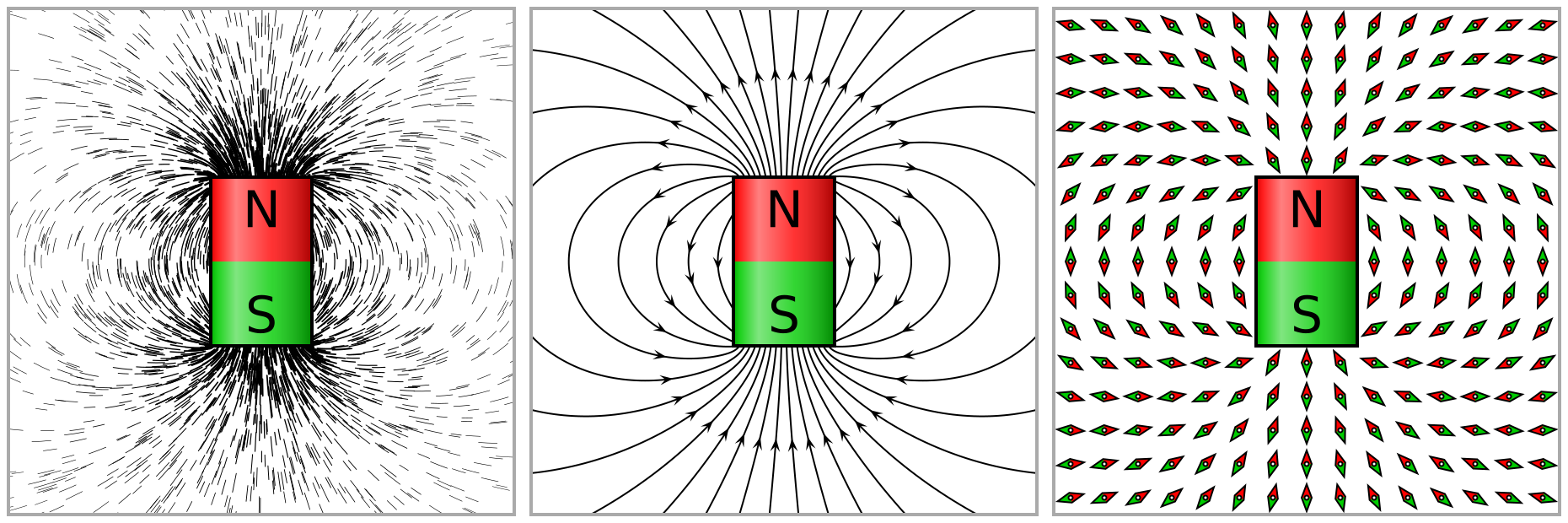
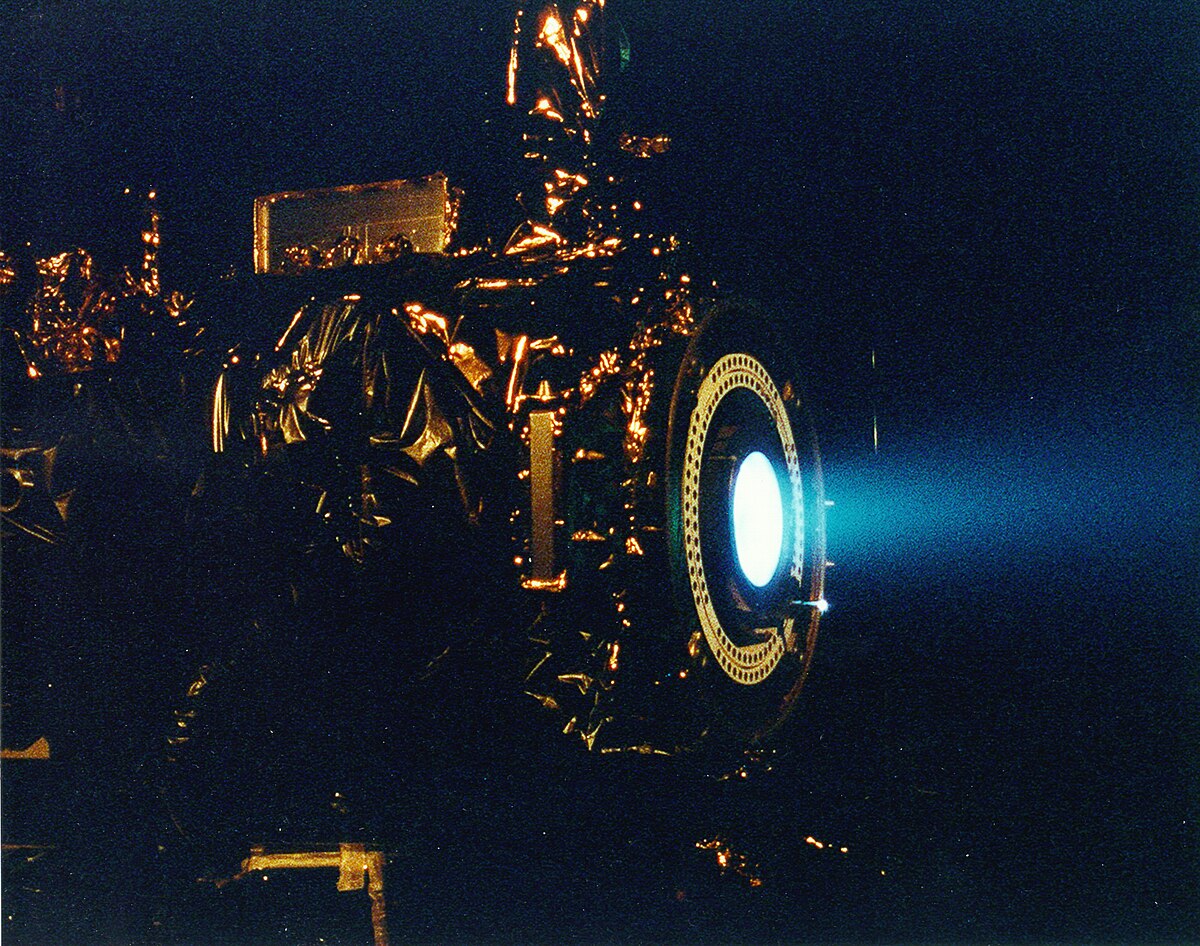
We already know how to move matter using forces we cannot see. Electric propulsion systems accelerate ions using electromagnetic fields, quietly pushing spacecraft without fire or shockwaves. Magnetism itself behaves like a flow rather than a pressure — field lines act more like currents or rivers than static gradients. This suggests that electromagnetism may already be a partial interaction with a deeper medium, though not necessarily at the same depth as gravity. Charge can be interpreted as a localized density imbalance, while magnetic flux looks like organized motion within that medium. Gravity, by contrast, appears more like a bulk density gradient of the medium itself. Whether these effects operate on the same subspace layer or on adjacent layers with different degrees of coupling remains open, but the pattern is clear: as we move away from combustion and toward field-based manipulation, propulsion becomes quieter, colder, and less destructive. That trajectory strongly hints that the ultimate drive system will act on an even deeper, finer-grained physical substrate — one where gravity, charge, and flux are merely surface expressions of a richer underlying structure.